
Live Casino Etiquette Every Beginner Should Know Before Playing
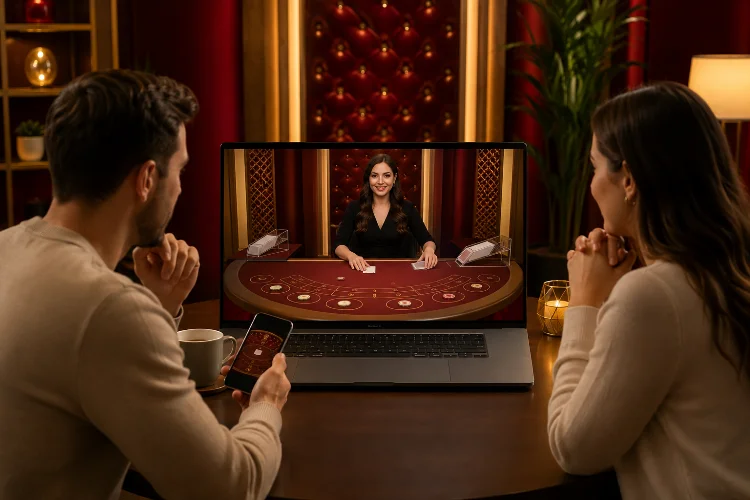
Playing at a live casino for the first time can feel surprisingly different from opening a regular online slot. There is a real dealer on screen, other players may be sitting at the same virtual table, betting windows open and close quickly, and a chat box can make the whole experience feel much more social.
That is why learning basic Live Casino Etiquette is worth doing before placing your first bet. You do not need to behave like someone who has spent years at casino tables, but knowing when to bet, how to communicate, and why the dealer follows strict procedures makes the experience smoother for everyone.
Live dealer games use physical equipment such as cards and roulette wheels, while regulated studios are expected to follow documented procedures designed to protect game integrity.
Here are the basics every beginner should understand.
Learn the Rules Before Joining a Busy Table
The easiest way to look comfortable at a live table is simply to know what the game expects from you.
You do not need to memorise advanced strategy, but you should understand basic actions. In blackjack, that means knowing what Hit, Stand, Double, and Split mean. In roulette, you should know the difference between inside and outside bets. Baccarat requires an understanding of Player, Banker, and Tie wagers.
Regulated online games should make their rules and instructions easily accessible before a customer commits to gamble. UK Gambling Commission standards specifically require explanations covering how the game works, how winners are determined, and how customers interact with it.
Spend a few minutes reading the Help or How to Play section before joining.
That tiny bit of preparation can prevent a lot of confussion later.
Place Your Bets Before the Timer Ends
Live casino tables operate continuously.
Unlike an RNG game where you can often take as long as you want before pressing a button, live games need to keep moving because the dealer is running rounds for multiple players.
Most interfaces show a clear betting period followed by a “No More Bets” message. Once that period closes, repeatedly trying to place or change bets will not delay the table for you.
Time-sensitive interaction is important enough that UK technical standards specifically address situations where response speed can affect customers and require operators to consider technical delays.
For beginners, the practical rule is simple: decide before the final few seconds whenever possible.
Rushing at the last moment increases the chance of placing the wrong wager or missing the round entirely.
Avoid Treating Every Round Like an Emergency
There is no reason to panic because you missed one round.
Live games continue.
A beginner sometimes feels pressure to get money onto the table simply because the countdown is approaching zero. That mindset can lead to careless decisions.
Missing a round is better than making a wager you did not intend to make.
Be Respectful to the Dealer
A live dealer is not an animated character.
They are a trained person working in a professional studio and following documented game procedures. In regulated live dealer environments, croupiers are expected to receive adequate training, and their activity may be supervised and recorded to verify that procedures and game rules are followed.
That means blaming the dealer because your blackjack hand lost or the roulette ball landed on the wrong number makes little sense.
The dealer does not decide which card you receive simply because they like or dislike you.
Keep conversation polite even when the result is frustrating.
Simple phrases such as “hello,” “thank you,” or “good game” are enough. There is no need to force conversation either. Dealers are working while managing cards, equipment, timing, and table procedures.
Basic courtesey goes a long way.
Use the Chat Box Like a Public Conversation
One feature that separates live casino games from many other online gambling formats is chat.
Players may be able to communicate with the dealer and sometimes participate in a broader table conversation. Pragmatic Play, for example, describes its live casino products as studio-based experiences with professional dealers and interactive interfaces intended to recreate elements of land-based casino play online.
Treat that chat as a public space.
Avoid abusive comments, harassment, excessive profanity, repeated messages, or arguments with strangers.
Spamming the same prediction—“RED NEXT!” ten times—does not improve anybody’s experience. Neither does criticising another player’s blackjack choice.
You can disagree with someone’s decision without turning the table into an argument.
Do Not Blame Other Players for Your Results
This point matters particularly in blackjack.
Beginners sometimes hear claims that another player’s Hit or Stand decision “took the dealer’s bust card” or caused the whole table to lose.
That is not a useful way to think about the game.
Another participant is playing their own hand according to the available rules. Even if their decision differs from conventional blackjack strategy, becoming angry at them does not change the completed round.
Some modern live blackjack products even support multi-player, multi-seat, or community-style structures, showing that different player interactions can exist within the same live format.
Focus on your own decisions.
That is better etiquette and usually much less stressful.
Understand That the Dealer Must Follow Procedures
You might occasionally see the dealer stop, wait for a supervisor, inspect a card, or pause while something is checked.
Do not immediately assume something suspicious has happened.
Live dealer studios operate with procedures designed to maintain game integrity. UK standards call for commercial casino-quality equipment, staff supervision, video surveillance of dealer activity, access controls, and records that can be analysed for game performance.
If a card is exposed incorrectly or equipment behaves unexpectedly, the dealer may need to follow a defined procedure rather than improvising.
A short delay can be inconvenient, but it is generally better than someone casually deciding what should happen next.
Patience is part of good live casino ettiquette.
Keep Your Internet Connection in Mind
Live games depend on streamed video and real-time interaction.
Pragmatic Play describes its live casino platform as using multiple cameras, video broadcasting technology, browser interfaces, game statistics, and betting histories.
A weak connection can therefore be more annoying in a live game than in something completely static.
If your stream freezes near the end of a betting period, avoid repeatedly clicking different wagers in frustration.
UK technical standards recognise that time-critical online events can create risks when response speed is affected by technical factors.
Use a reasonably stable connection and check your bet confirmation rather than assuming every click was accepted.
Do Not Pressure the Dealer for Tips or Predictions
Dealers may be friendly, but they cannot tell you which roulette number will appear next or guarantee that Banker will win the next baccarat hand.
Comments such as “Give me a winning card” are harmless jokes when clearly playful. Repeatedly demanding predictions is different.
The outcome is determined by the game process and physical equipment, not by the dealer’s opinion.
The UK Gambling Commission notes that live dealer games use equipment such as roulette wheels and decks of cards, supported by integrity controls surrounding equipment and operation.
Enjoy the social side without treating the presenter as a fortune teller.
Keep Track of Time and Money
Good etiquette also includes how you manage yourself.
It is easy to lose track of time when rounds follow one another continuously. UK remote casino standards include requirements intended to help customers monitor session duration, including elapsed-time displays and reality-check tools in applicable environments.
The Responsible Gambling Council similarly recommends understanding the game before wagering, setting budget and time limits, and taking regular breaks.
Set a limit before entering the table rather than deciding after losses have already accumulated.
Do not chase money simply because you feel the next hand “must” be better.
Knowing when to leave is part of being a responsble player.
Good Live Casino Etiquette is mostly common sense: learn the rules, place bets on time, respect the dealer, keep chat civil, and avoid blaming other players for random results. Just as importantly, manage your budget and session length.
Before joining a table, read the rules and spend a round observing the flow—you will usually feel much more comfortable when you begin playing.