

What Makes a Smartphone Review Useful, Reliable and Worth Trusting?
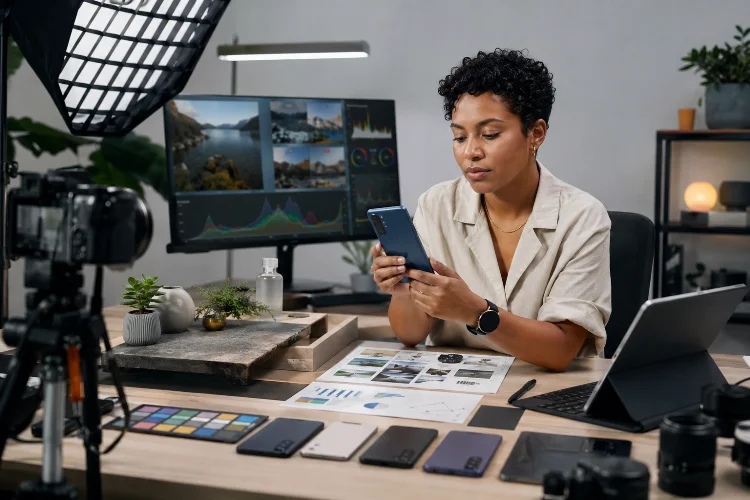
Buying a smartphone can mean spending hundreds—or even well over a thousand—dollars, so choosing one based on a weak review is not ideal. Unfortunately, not every article or video labelled a “review” provides the same level of insight. Some reviewers use a phone for weeks, while others mostly repeat information from the specification sheet.
A trustworthy Smartphone Review should help you understand what owning the device is actually like. That means going beyond processor names, megapixels, RAM figures, and marketing claims.
The most useful reviews combine hands-on experience, repeatable testing, clear evidence, meaningful comparisons, and an explanation of who the phone is actually suitable for. Knowing how to recognise those qualities can make your next buying decision much easier.
1. A Good Review Shows Evidence of Real Use
The first thing to look for is evidence that the reviewer has genuinely spent time with the phone.
Google’s guidance for high-quality reviews encourages publishers to demonstrate first-hand expertise and provide evidence such as visuals, measurements, or other original material that supports their conclusions.
That distinction matters.
Anyone can read a specification sheet and tell you that a phone has a 50MP camera, 120Hz display, or 5,000mAh battery. A reviewer who has actually used the device can tell you whether the camera captures moving subjects reliably, whether the screen remains readable outdoors, and whether the battery survives a busy day.
Look for details that would be difficult to know without actually using the product.
2. Specifications Should Be Explained in Context
Specifications are useful, but they need interpretation.
A good reviewer does not simply write that one phone has 12GB of RAM while another has 8GB and declare the first device better. Instead, the review should explain whether the extra memory creates a noticeable advantage during multitasking or demanding applications.
The same principle applies to cameras.
A 200MP sensor does not automatically guarantee better photographs than a 50MP sensor. Image processing, autofocus, lenses, stabilisation, sensor characteristics, and software all contribute to the result.
Useful reviews translate technical specifications into practical questions: Is scrolling smooth? Does the camera focus quickly? Are the speakers clear? Does the phone become uncomfortable during long gaming sessions?
That context is often more valuable than the numbers themselves.
3. Testing Should Cover Real-World Performance
Benchmark scores can help compare smartphones under controlled conditions, but professional evaluation should extend well beyond them.
Consumer Reports, for example, evaluates phones across areas including ease of use, browsing, display quality, voice quality, battery life, portability, video, cameras, and other capabilities rather than relying on one performance measurement.
A useful reviewer should take a similarly broad approach.
Performance testing might include launching applications, switching between apps, gaming for an extended period, taking photos quickly, recording video, and observing heat or battery drain.
Consistency Matters More Than One Impressive Result
A phone that performs brilliantly for five minutes but becomes hot and slows noticeably during longer workloads may offer a worse experience than benchmark numbers suggest.
That is why repeated testing and sustained-use observations can be particularly valuable.
The same applies to battery testing. Saying that a phone has “great battery life” is less informative than explaining how it performed during browsing, photography, navigation, streaming, gaming, or mixed daily use.
4. Camera Reviews Need Actual Photo Comparisons
Smartphone photography is one area where specifications are especially easy to misunderstand.
A reliable review should ideally show samples captured under several conditions rather than judging the camera from megapixel counts alone.
Daylight photography is usually relatively easy for modern phones. More revealing situations include indoor lighting, moving people or pets, night scenes, portraits, zoom photography, and video stabilisation.
Side-by-side comparisons can be particularly useful.
If two phones cost roughly the same amount, seeing how each handles identical scenes gives readers much more information than statements such as “the camera is excellent.”
Google’s review guidance also recommends discussing how a product compares with competitors and explaining the benefits and drawbacks identified through original research.
5. Reliable Reviews Discuss Weaknesses Too
No smartphone is perfect.
Even an excellent flagship might be expensive, heavy, slow to charge, uncomfortable to hold, or missing a feature that certain users value.
A trustworthy reviewer should therefore discuss disadvantages as clearly as advantages.
Be cautious when a review sounds like an advertisement in which every feature is described as revolutionary, incredible, or best-in-class without meaningful criticism.
Balanced criticism does not mean being negative. It means recognising trade-offs.
A compact phone may sacrifice some battery capacity for easier handling. A gaming-focused device may provide excellent sustained performance but mediocre cameras. A premium camera phone may cost far more than most people need to spend.
Explaining those compromises helps readers decide whether a product fits their priorities.
6. Comparisons Should Include the Right Competitors
A phone does not exist in isolation.
Imagine a reviewer says a $900 smartphone has an excellent camera and strong battery life. That sounds useful until you discover that another phone costing $700 delivers similar performance.
Good reviews provide market context.
Google specifically recommends explaining how reviewed products compare with competitors and identifying factors that may make a product the best choice for certain uses or circumstances.
Price comparisons are especially important because value can change a recommendation dramatically.
A phone may deserve a glowing review at $599 but become difficult to recommend at $899. Likewise, an older flagship receiving a substantial discount might provide better value than a newer mid-range model.
The best comparison is therefore not always against the most technically similar phone. It should include realistic alternatives a buyer might actually consider.
7. Transparency Makes a Review Easier to Trust
Readers should know whether there is a commercial relationship behind a recommendation.
Was the review unit supplied by the manufacturer? Did the reviewer purchase it independently? Does the article contain affiliate links? Was the content sponsored?
Commercial relationships do not automatically make a review unreliable, but hiding them makes it harder for readers to judge potential bias.
The U.S. Federal Trade Commission’s guidance states that material connections between endorsers and advertisers should be disclosed when consumers would not otherwise reasonably expect them.
Strong publishers usually make these relationships clear.
Transparency also applies to methodology. Readers benefit when reviewers explain how long they used a phone, which software version was tested, what conditions were used for battery testing, and whether conclusions are based on measurements or personal observations.
8. The Best Review Helps You Decide, Not Just Score the Phone
A numerical rating such as 8/10 can be convenient, but it should never be the most important part of a review.
Different buyers value different things.
A mobile gamer may prioritise sustained performance and cooling. A traveller might care about battery endurance, cameras, eSIM support, and outdoor brightness. Someone buying a phone for a parent may value simple software, long update support, and easy-to-use biometric security.
Consumer Reports similarly approaches smartphone buying through multiple practical characteristics rather than treating every feature as equally important.
The most useful reviewer therefore explains who should buy the phone, who should consider something else, and why.
That is far more helpful than simply declaring one model “the best.”
A trustworthy Smartphone Review should do more than repeat specifications or publish benchmark scores. Look for evidence of hands-on use, practical testing, real camera samples, sensible competitor comparisons, balanced discussion of strengths and weaknesses, and transparency about commercial relationships.
Most importantly, a good review should provide enough context for you to make your own decision.
Before buying your next phone, read more than one review and pay attention to how conclusions were reached rather than focusing only on ratings. When several independent reviewers identify the same strengths and weaknesses through real testing, you can make your purchase with much greater confidence.
Related Articles